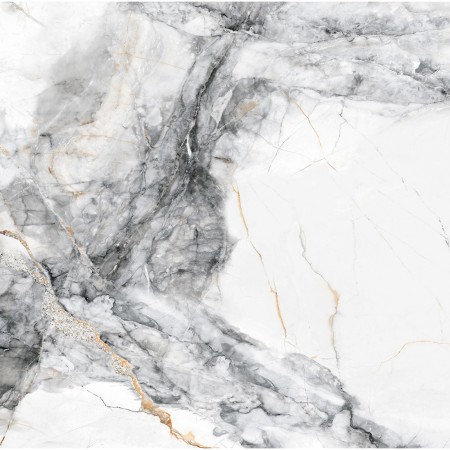
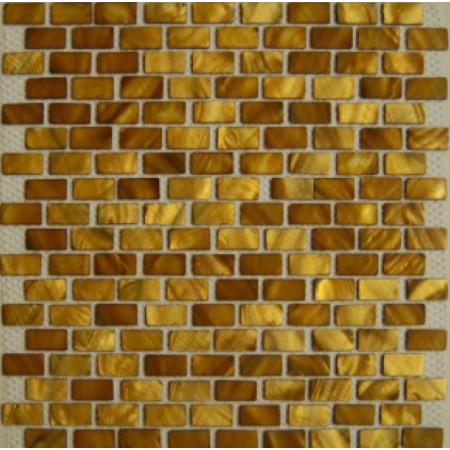
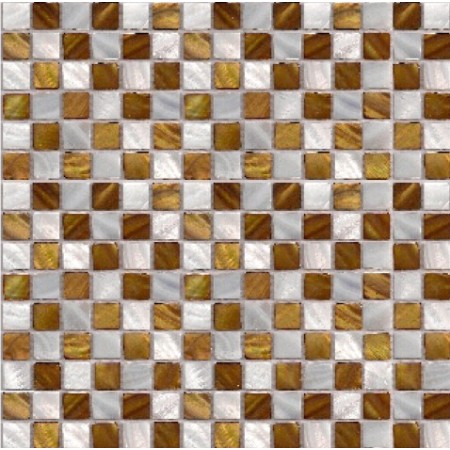
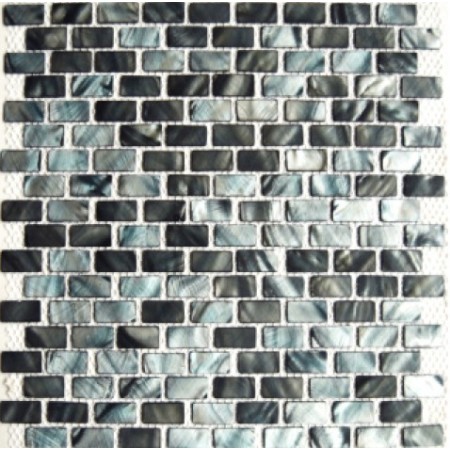
Porcelain is the main floor material in this range. It is dense and takes in very little water: where a porcelain product page gives a water absorption figure, it is 0.5% or lower. The category also includes natural stone floors in granite, slate, marble and limestone, quartz tiles, and mosaics that are listed for floors.
Leaving out mosaic sheets, the most common floor sizes here are 60x60cm and 60x120cm, followed by 30x60cm, 30x30cm and 20x60cm; 45x90cm, 60x90cm and 90x90cm are also listed. Where thickness is listed, indoor floor tiles are most often 9mm or 10mm. Tiles made as outdoor paving are 20mm thick; check the suitability line on each one. Our guide to 20mm outdoor porcelain paving explains what to check before you buy.
Matt and polished finishes are almost equally common. For a floor that will get wet, look for a tile with a stated slip rating: where the supplier gives one, it is in the product name or description, for example R10 on Venato Beige 30x60 and R11 on 20mm outdoor paving such as Earth Grey 60x60.
Suitability differs by product, so check it on every product page. Many floor tiles are listed for internal and external walls and floors, many for internal floors and walls only, and a few, such as wood-effect planks, for internal floors only. Where the supplier confirms underfloor heating, the specification shows “Underfloor Heating: Yes”.
Most floor tiles here are also listed for walls, so one design can run from the floor up a wall. Floor tiles are laid out at full size in our Cwmbran showroom in South Wales, and you can borrow a full-size tile to see it in your own room. In London, Marble Arch Bathrooms & Tiles has bathrooms set out with large-format porcelain.
Popular floor tiles
Shop floor tiles by type
Porcelain tiles · Marble-effect tiles · Stone-effect tiles · Wood-effect tiles · Patterned tiles · Large-format tiles · Outdoor tiles
Which material should I choose for a floor tile?
Porcelain is the most common choice in this range: it is dense, takes in very little water and comes in marble, stone, wood and patterned effects. Natural stone floors in this range include granite, slate, marble and limestone. Quartz tiles and floor-rated mosaics are also listed. Whatever the material, check that the product page lists the tile for floors.
How thick should a floor tile be?
Go by the supplier’s stated use rather than thickness alone. In this range indoor porcelain floor tiles are most often 9mm or 10mm thick, and porcelain paving for outside is 20mm. The thickness, where the supplier gives it, is in the specification on the product page.
What does an R rating on a floor tile mean?
An R rating is the supplier’s slip-resistance rating for the tile surface. In this range R9 and R10 appear on indoor matt porcelain, such as Venato 30x60 Beige Matt R10, and R11 appears mostly on 20mm outdoor paving. Where a rating is given, it is in the product name or description.
Can I use the same tile on the floor and the wall?
Often, yes. Most floor tiles here are also listed for walls. Check the “Use” and “Suitability” lines on the product page, because a few tiles are listed for floors only.
Which floor tiles can go over underfloor heating?
Look for “Underfloor Heating: Yes” in the specification, as on Montclair White Matt 60x120cm and Cromatic Black Matt 60x60cm. A tile without that line has not been confirmed by its supplier, so ask us first.
More tiles: Bathroom tiles · Wall tiles · Kitchen tiles · Mosaic tiles · Saloni tiles.